
Agent Swarms: Run a Five-Hour Task Without Losing the Plot

Most attempts at a long-running AI task give you two options: one very smart agent that slowly loses the plot over five hours, or a “multi-agent” group chat where bots talk past each other and you can’t tell afterward who decided what. An agent swarm is a third option. One coordinator writes a plan, hands […]
How Calfus Plays as Hard as It Ships: A People & Culture Perspective
There’s a reason the Olympic motto has outlasted every athlete who ever chased it: Citius, Altius, Fortius – Communiter. Faster, Higher, Stronger – Together. It was never really about the podium. It was about what happens when people push each other to be a little better, and choose to do it side by side. A […]
Auditor View: Open Any Run and See What the Agent Actually Did
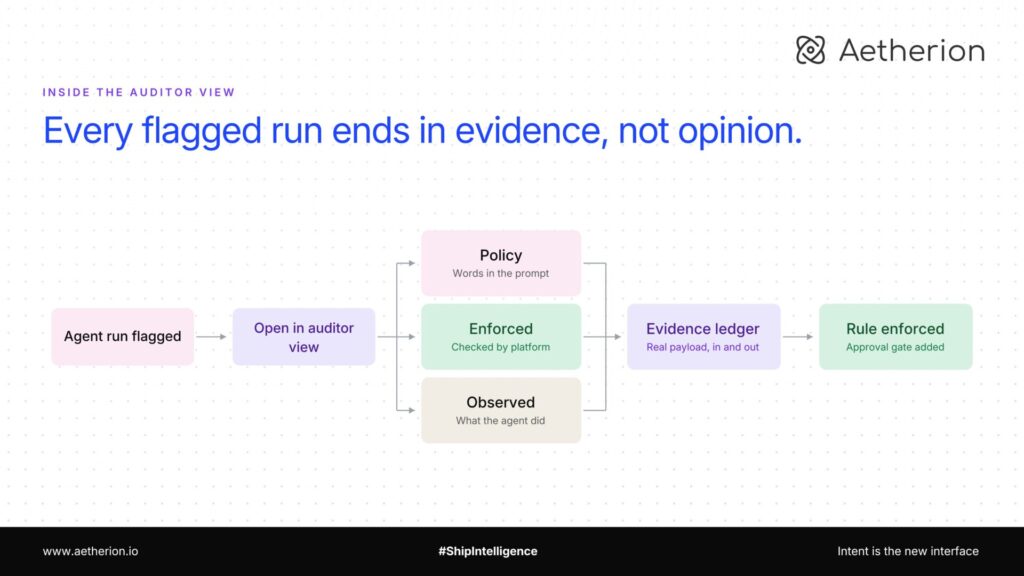
When something goes wrong with an agent, most platforms give you two options: a log search that needs an engineer, or a summary someone wrote after the fact. Auditor View is a third option. You flip a toggle on the Agent Runs page, open the run, and read what happened: what the agent was told, […]
Your AI Coding Agent Works. It Just Doesn’t Work Like Your Team.

Most agentic AI pilots on Databricks stall on context, not capability. Here’s the fix, and the two accelerators Calfus uses. Agentic AI is changing how data engineering gets done Until recently, AI help with code meant autocomplete. A model suggested the next line, you accepted or rejected it. Agentic AI works differently. You give an […]
What Happens When You Give an AI Agent the Keys to Your Entire Data Delivery Lifecycle?

Every few months, Databricks ships another headline feature for Genie Code. At the Data + AI Summit 2026 it was a full-page command center for multi-threaded ML work, an ontology that learns how your team builds features, and autonomous overnight runs that check pipelines and summarize results while everyone sleeps. But the number that stuck with us came from the original […]
Agent Canvas: Build an AI Agent the Way You’d Sketch One on a Whiteboard
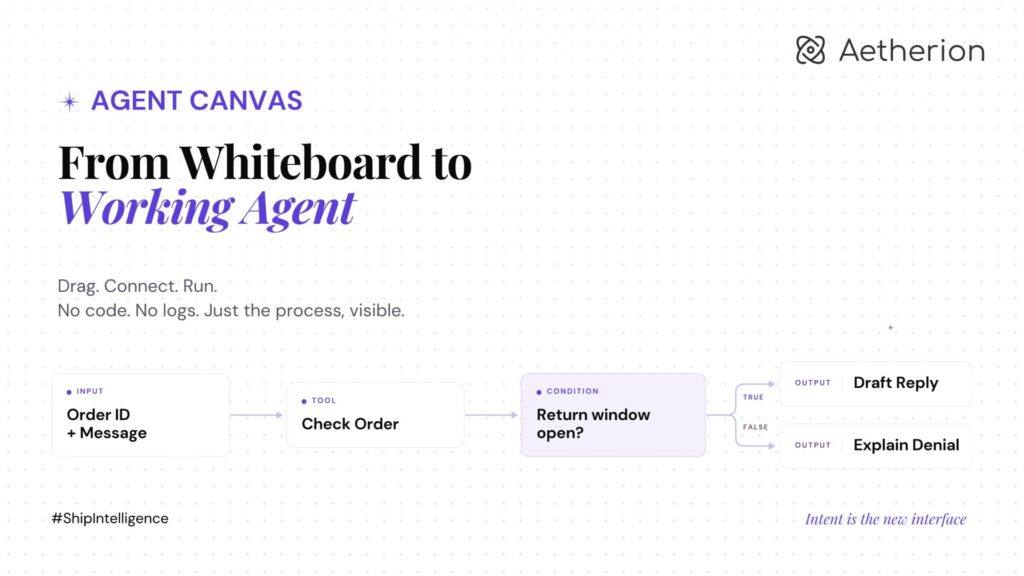
Most “build your own AI agent” tools give you two options: a chat box that produces something you can’t see or steer, or a developer SDK that needs an engineer to touch it. Agent Canvas is a third option. You build the agent by connecting steps on a screen, watch it run, and fix it in place. What […]
AI Agent Studio Capabilities: Three Fixes for Stalled Pilots

The new AI Agent Studio capabilities from Oracle target a familiar problem: most agent pilots don’t fail outright; they just stop growing. Your first agent works well inside one team. But it can’t pull in data owned by other departments, it forgets everything from one conversation to the next. And when budget season arrives, no […]
Why AI Agents Quit Halfway, and What It Costs You
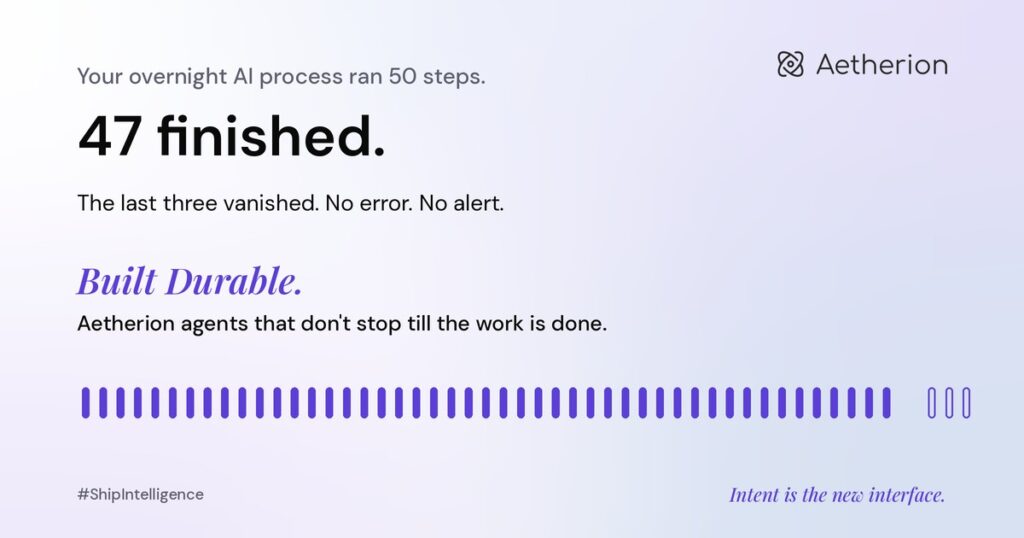
Picture this. It’s 11 PM. A critical batch process has been running since end of day, reconciling invoices, updating vendor records, flagging exceptions for review. Your team set it up, handed it off to an AI agent, and went home. By morning, it’s done. Mostly. 47 of 50 steps completed. The last three? Gone. No […]
Oracle Fusion AI Agent Studio 26C: New Features, Missing Caps
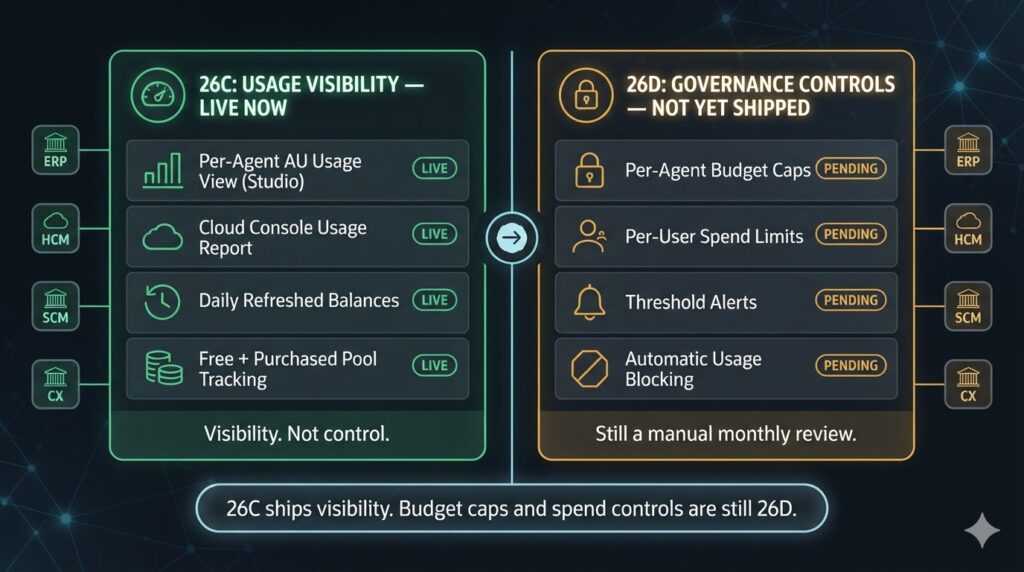
Oracle Fusion AI Agent Studio 26C brings two changes at once. Studio picked up a substantial set of new capabilities: multiagent orchestration, long-term memory, a CLI, a debugger, deterministic policy logic. And the AI Unit consumption visibility we flagged as coming in Part 2 has actually arrived. The features change what you can build. The […]
The Odyssey Model: Rethinking What an Internship Owes Its Interns

How Calfus turned onboarding into a finishing school, and why the difference matters Most internship programs end the same way. A cohort arrives, sits through a few weeks of shadowing and slide decks, ships a small project that everyone quietly agrees not to depend on, and leaves. What they take with them is a fond […]